Bodies Must Move
In his response to Vivek Shraya's Bodyrebuilding Curator Elliott Ramsey reads the artist's film as a manual for healing.
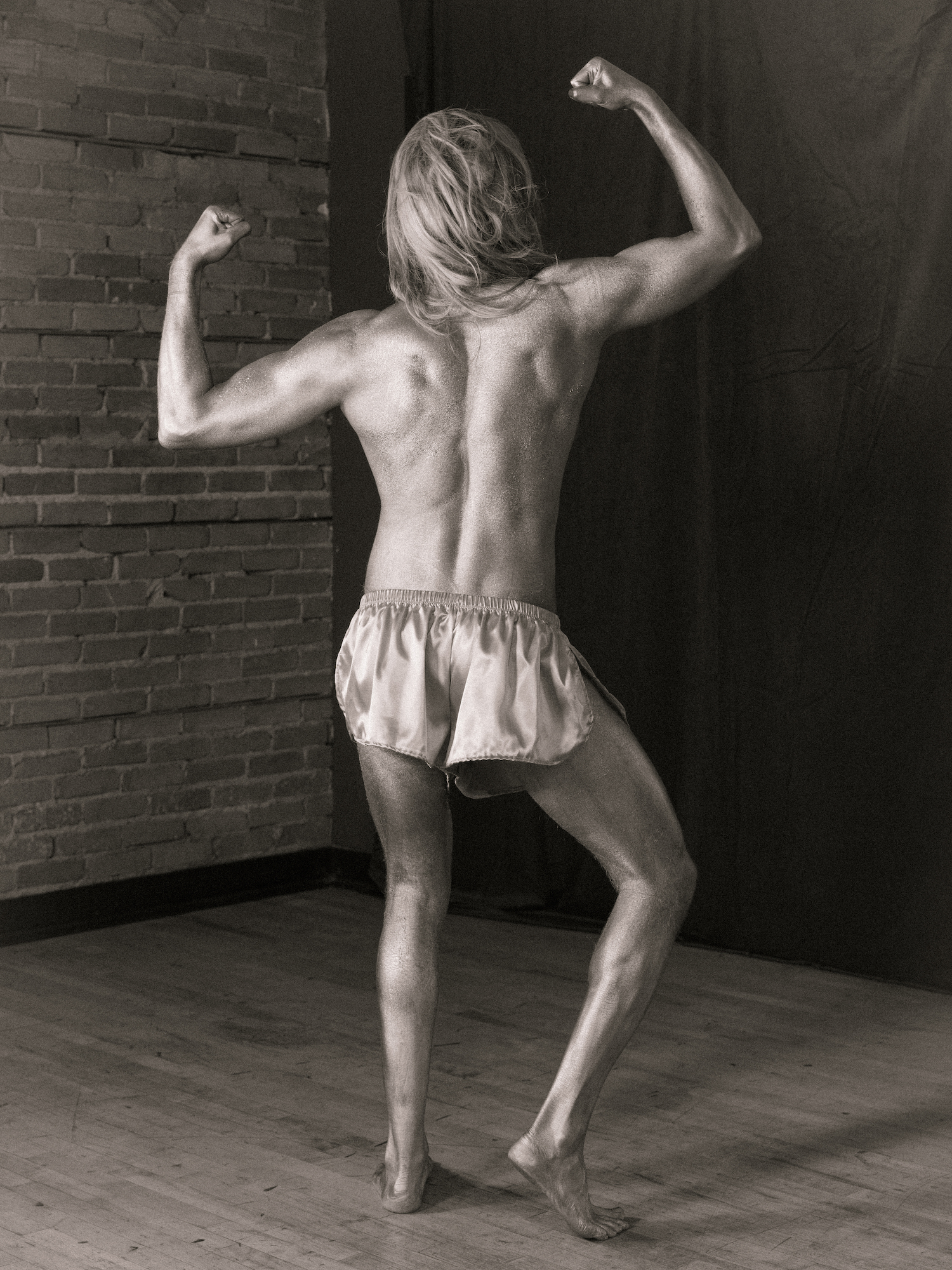
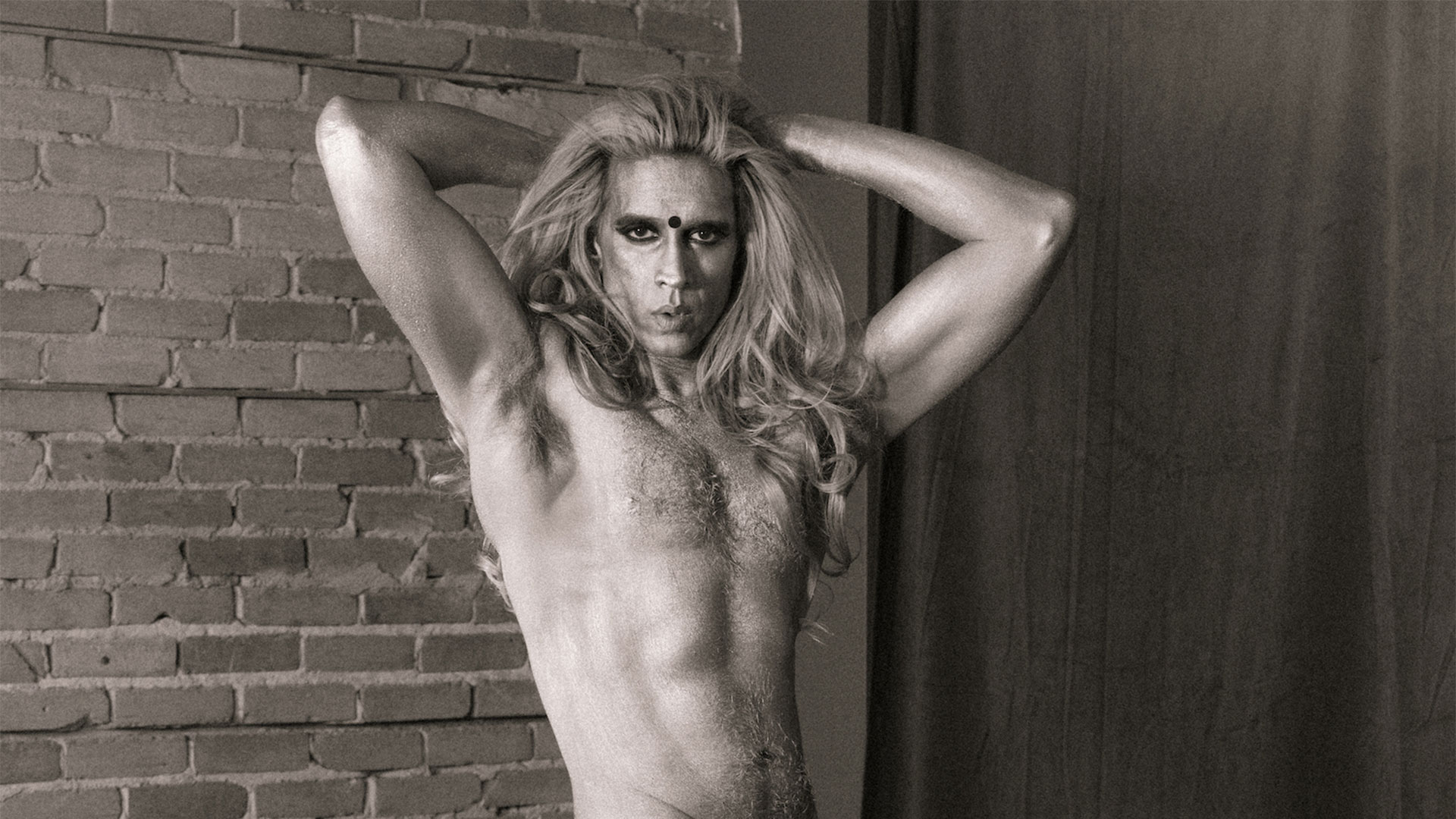
In Bodyrebuilding, artist Vivek Shraya offers an account of the strength training she has undertaken in order to manage chronic pain. The precise cause of her pain seems almost impossible to pin down. It may be the nature of work in the twenty-first century, so often mediated through devices that restrict or diminish movement; it may also be the tension of bracing for acts of anti-queer or transphobic hostility; or, it may have to do with the fact that, since coming out as transfeminine, Shraya avoided gym culture and its normative pressures around what ideal bodies should look like.
Yet, as Shraya incisively notes in her spoken-word recitation, bodybuilding has a rich non-normative history. Bodybuilders were once seen as spectacles, even freaks, due to their uncanny physical transformations. Now, such self-transformation is embraced as normal, even desirable. Could the same ever be true for gender presentation?
Shraya references vintage physique magazines in the self-portraits that accompany her narration. The visual warmth of her images is reminiscent of platinum printing or selenium toning: methods used to stabilise photographs and increase their durability. Their stop-motion animation registers as a performance, choreographed precisely to Shraya’s words as she stares down the camera lens, determined. The sequence also reads like a chronophotographic study of movement, almost instructional. The work becomes a manual for healing, reminding us – especially as we consume its content via screen – that bodies must move, that strength has no gender, and that transformation is always possible.
Watch Vivek Shraya's Bodyrebuilding
View Project